Discover Serbian Monasteries – Living Heritage of Faith and Culture
The best way to truly get acquainted with the Serbian people, their traditions, customs, and culture is by visiting the country’s magnificent monasteries. More than sacred places of worship, these sites are spiritual, historical, and artistic treasures that tell the story of Serbia through the centuries.
In essence, a monastery is a church surrounded by accompanying buildings where monks and nuns live according to strict spiritual rules. But in Serbia, monasteries are much more – they are the guardians of national identity, art, and heritage.
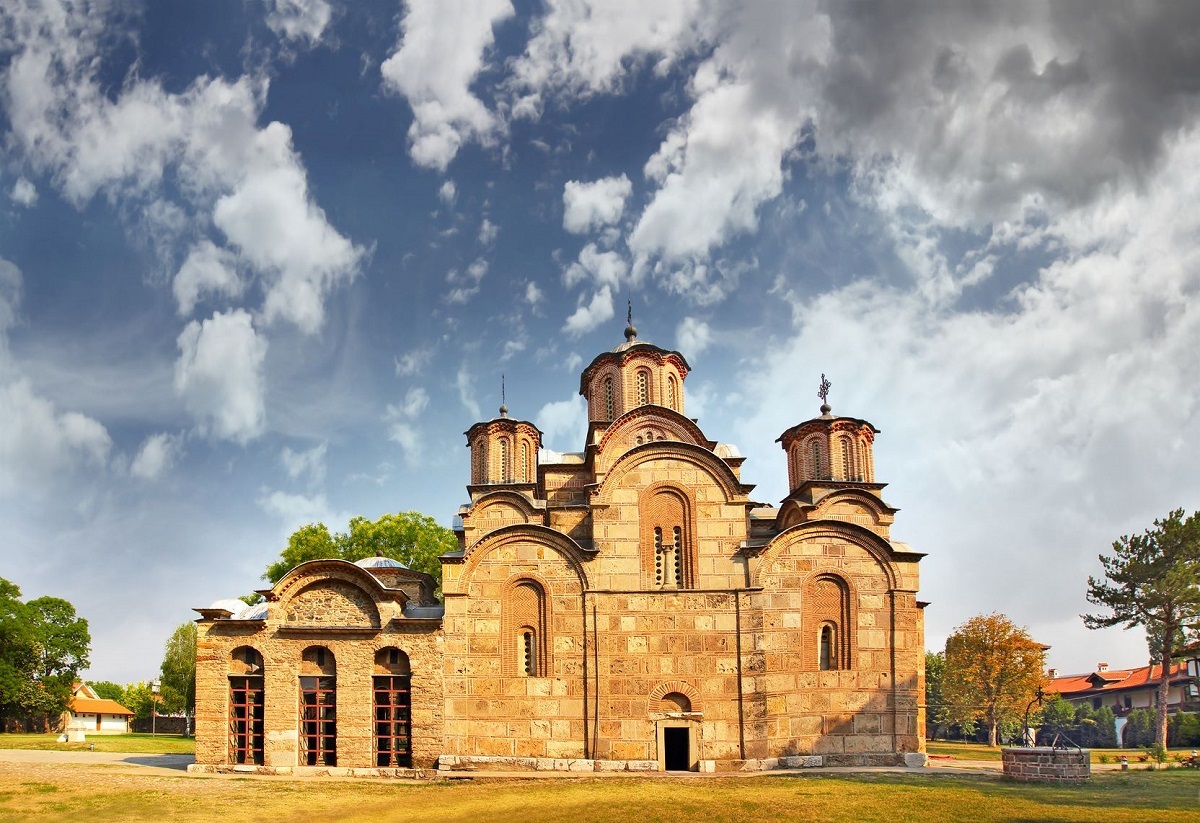
Serbia is home to over 200 monasteries, with 54 recognized as cultural monuments. Among them, several have gained international recognition and are inscribed on the UNESCO World Heritage List: Studenica Monastery – a masterpiece of Serbian medieval architecture; Sopoćani Monastery and Đurđevi Stupovi with the Church of Saint Peter and Paul; the medieval monasteries of Kosovo and Metohija, including Visoki Dečani, Gračanica, Pećka Patriarchy, and the Church of Our Lady of Ljeviš.
Visiting Serbian monasteries means stepping into a world where spirituality, art, and history intertwine. From their breathtaking frescoes to their serene settings in untouched nature, these holy places invite travelers to experience the essence of Serbia’s soul and culture.
Birthplace of Medieval Serbia
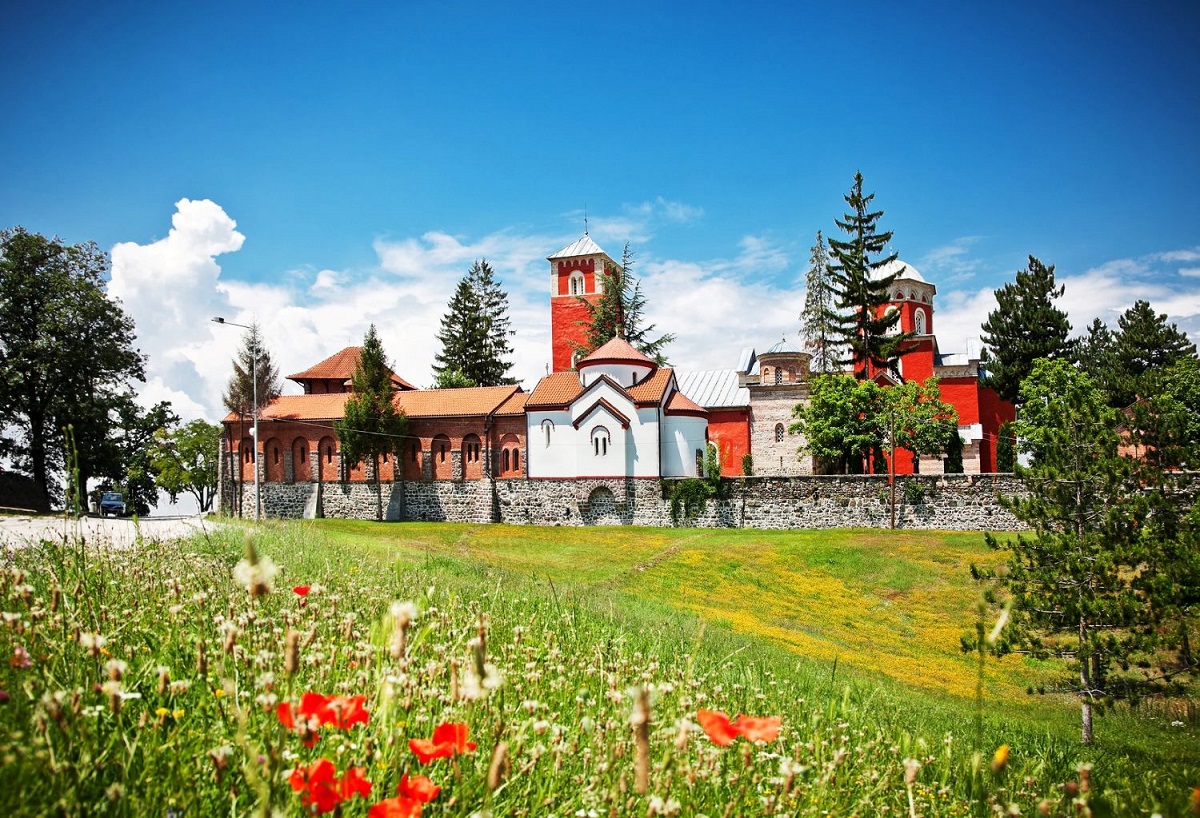
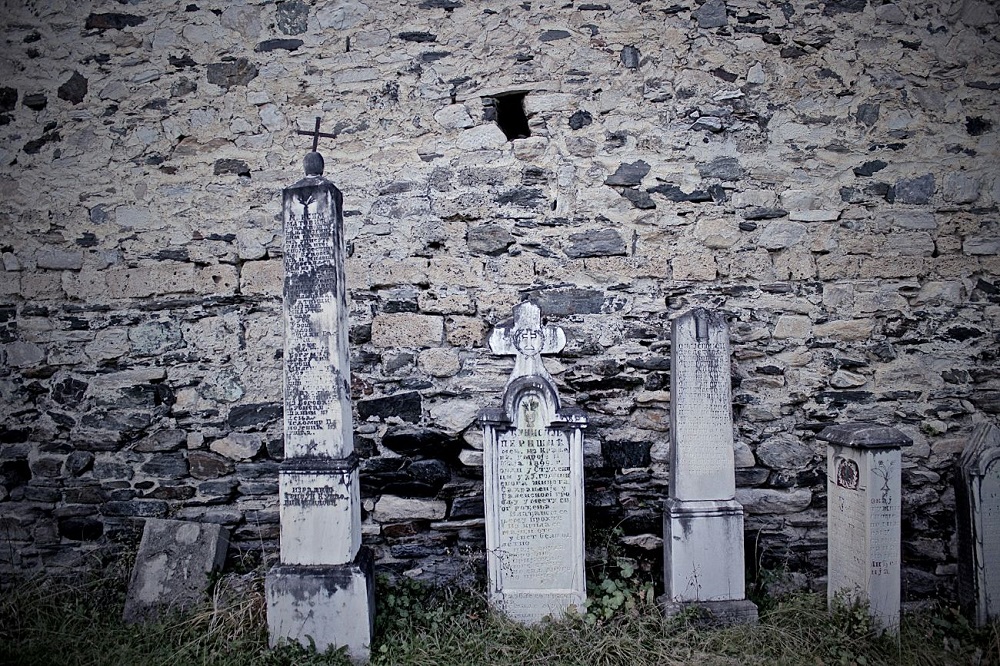
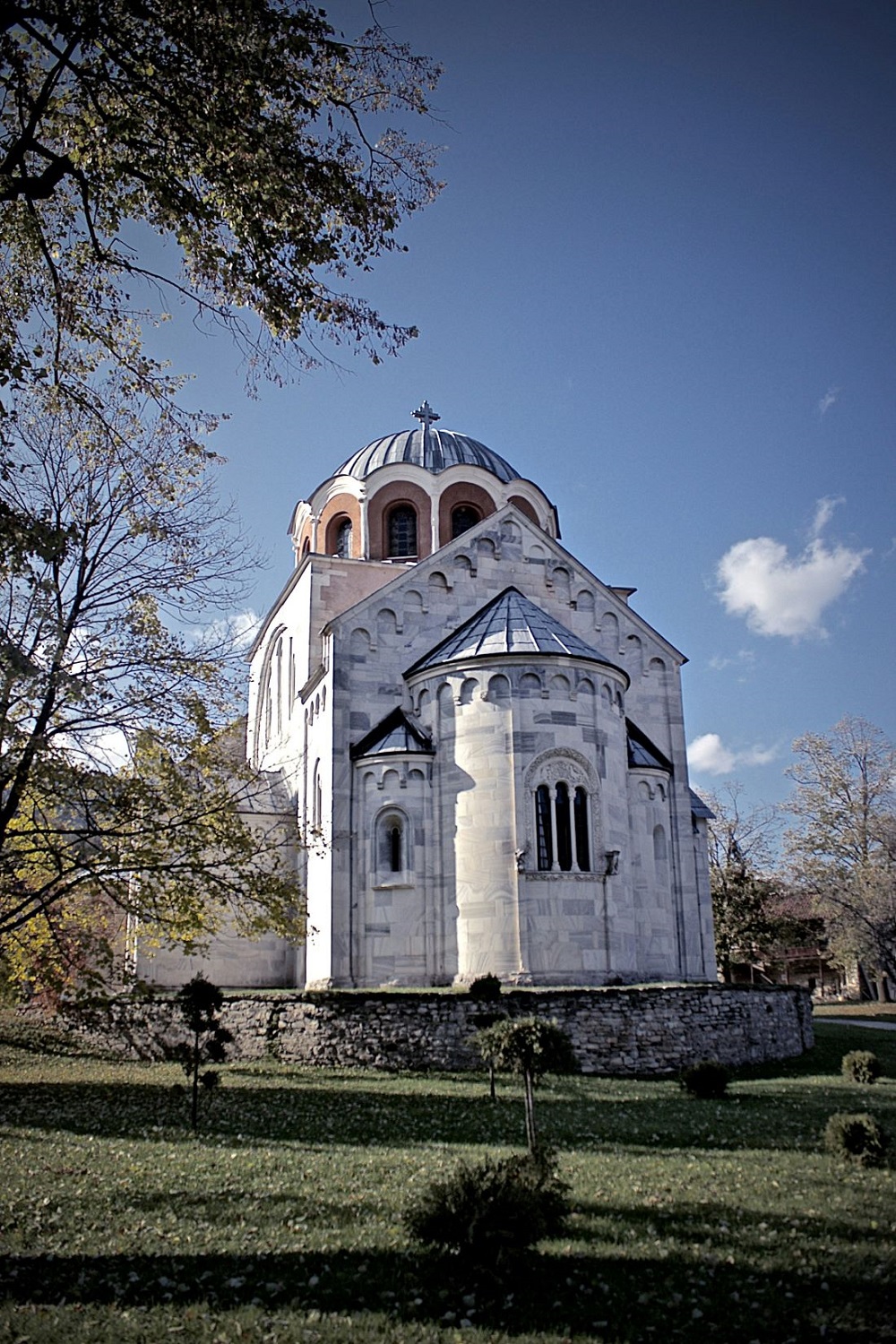
Nestled between the Ibar and Raška rivers lies the enchanting Valley of the Kings, the cradle of the Serbian Medieval State in the 12th century. This historic region is home to some of the country’s most important monasteries – Studenica, Đurđevi Stupovi, Žiča, and Sopoćani – each carrying the spirit of Serbia’s cultural and spiritual awakening.
Here, the elegant blend of Byzantine and Romanesque art gave life to the renowned Raška architectural style, a symbol of medieval Serbia. These monasteries are not only places of worship but also masterpieces of art and architecture, standing as eternal witnesses of the country’s rich past. Today, they are part of the Transromanica Cultural Route, which links some of Europe’s finest Romanesque monuments.
A journey through the Valley of the Kings is more than sightseeing – it is a passage into history, where sacred walls and timeless frescoes tell the story of a nation’s birth. Surrounded by serene landscapes and ancient traditions, this valley offers every traveler a chance to experience the true soul of Serbia’s medieval heritage.

The Spirit of a Resilient Serbia
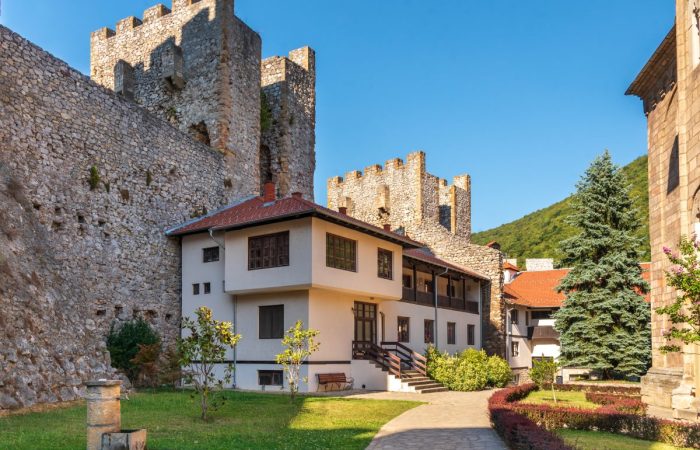
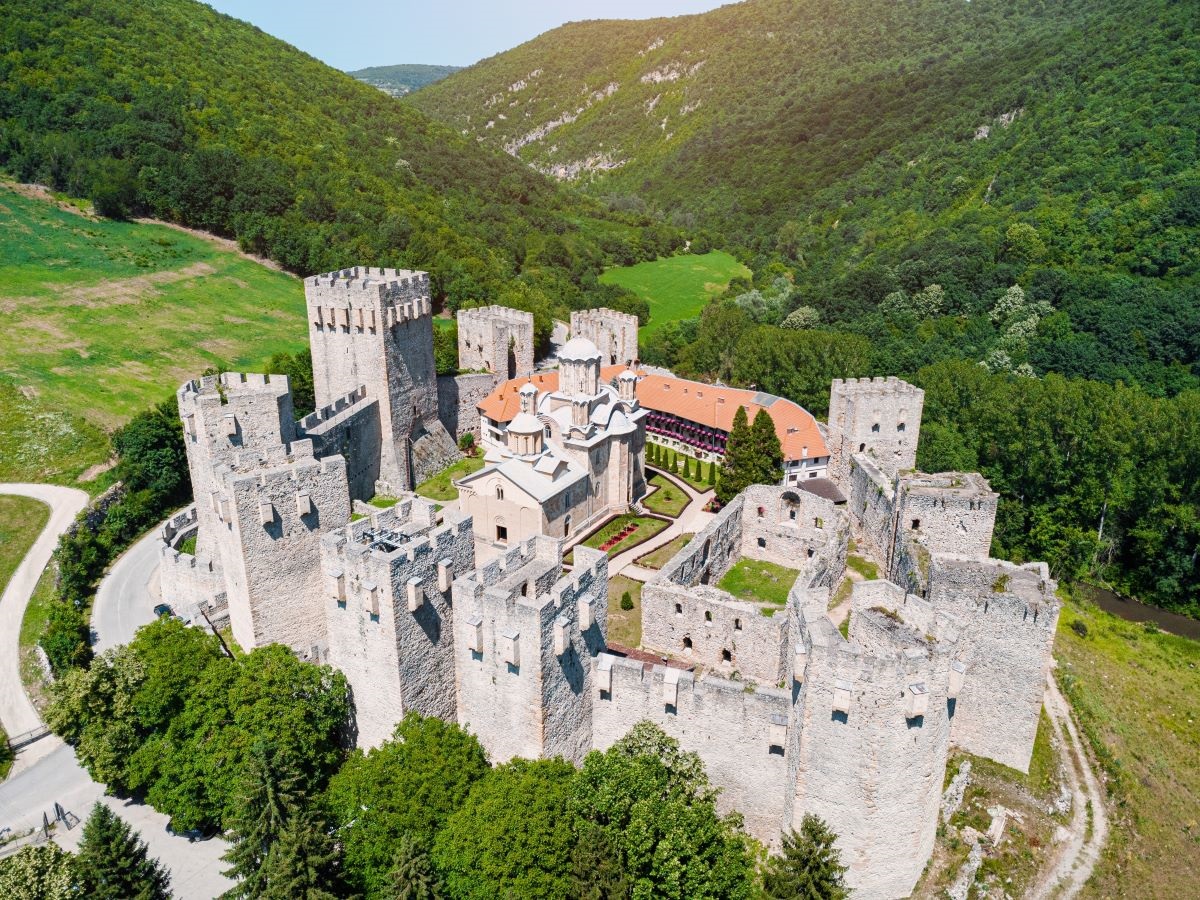
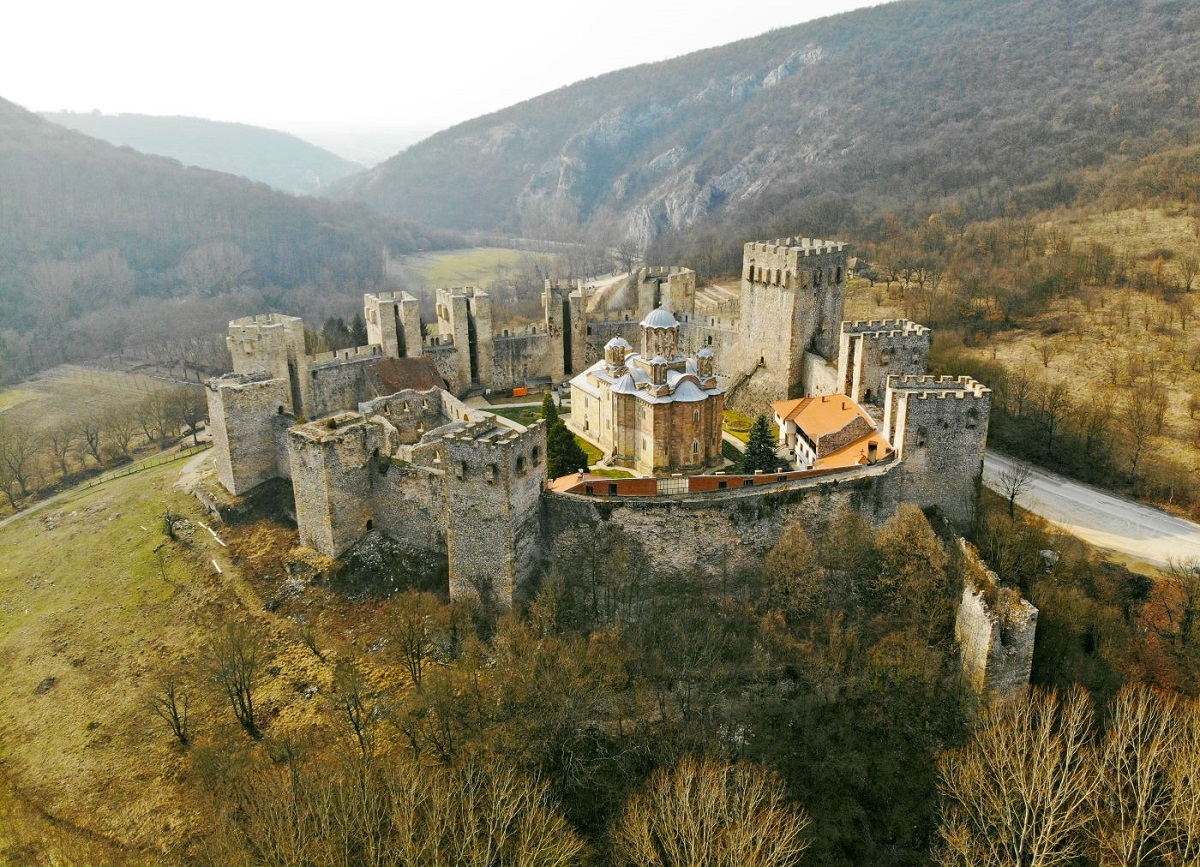
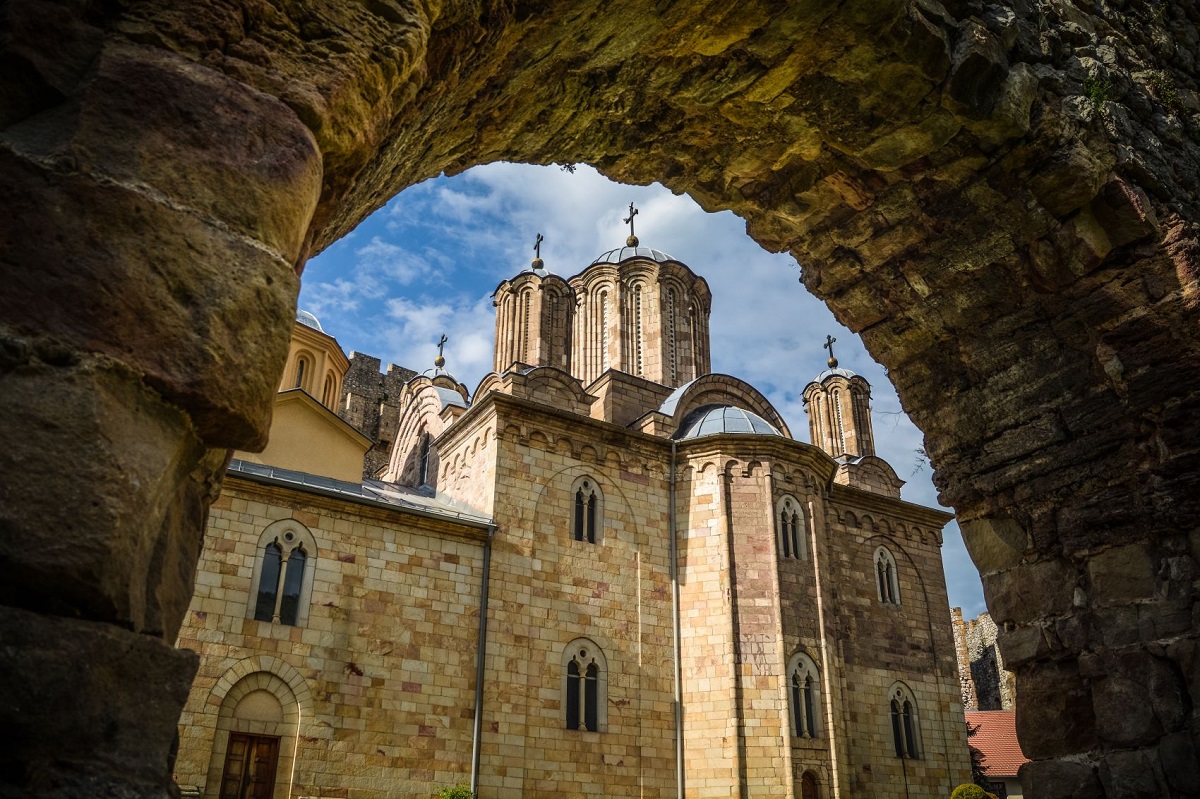
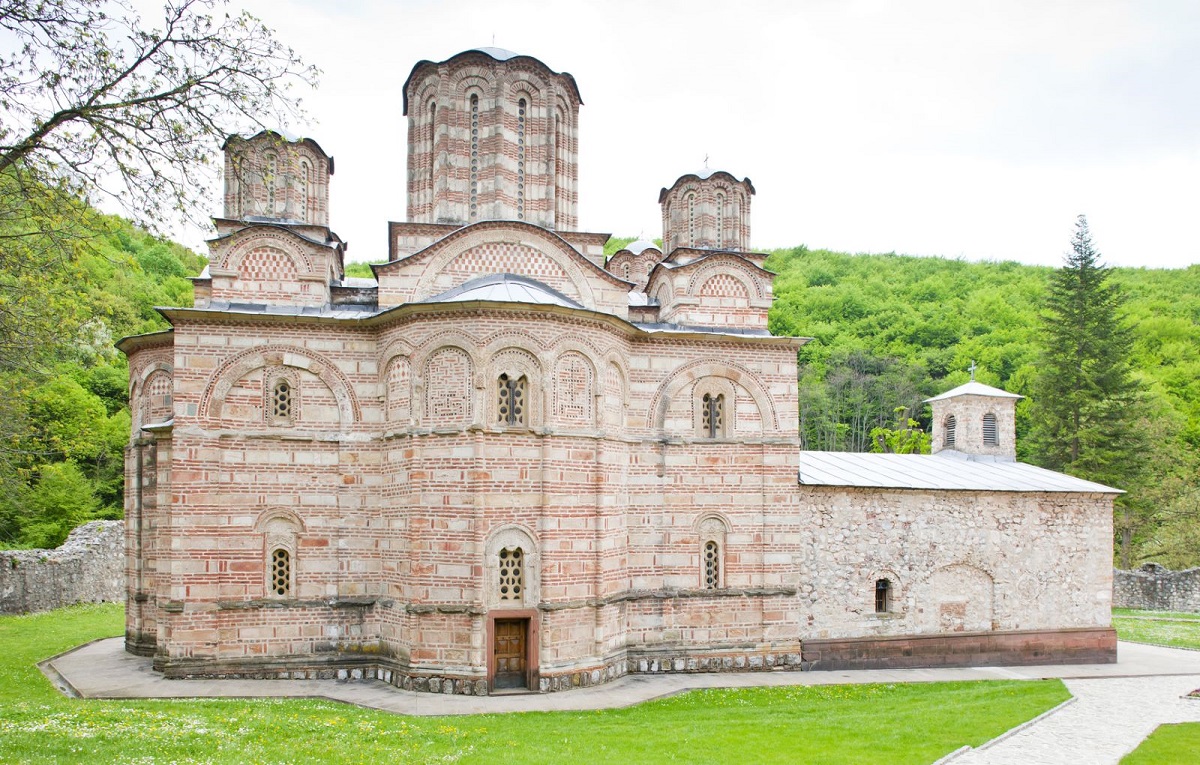
In the valley of the Morava River, after the tragic battles against the Ottomans at Kosovo and the Marica River, a new architectural style was born – the Morava School of architecture, deeply inspired by Byzantium. During the late 14th and early 15th centuries, when the Serbian Despotic State was flourishing, monasteries such as Manasija, Ravanica, Kalenić, and Ljubostinja were built.
These monasteries are living monuments of resilience and creativity, adorned with refined decorations and intricate details that symbolize the spiritual strength of the Serbian people. Visiting them is a journey into the heart of Serbia’s medieval culture, where history and faith intertwine in serene natural surroundings.

The Serbian Holy Mountain
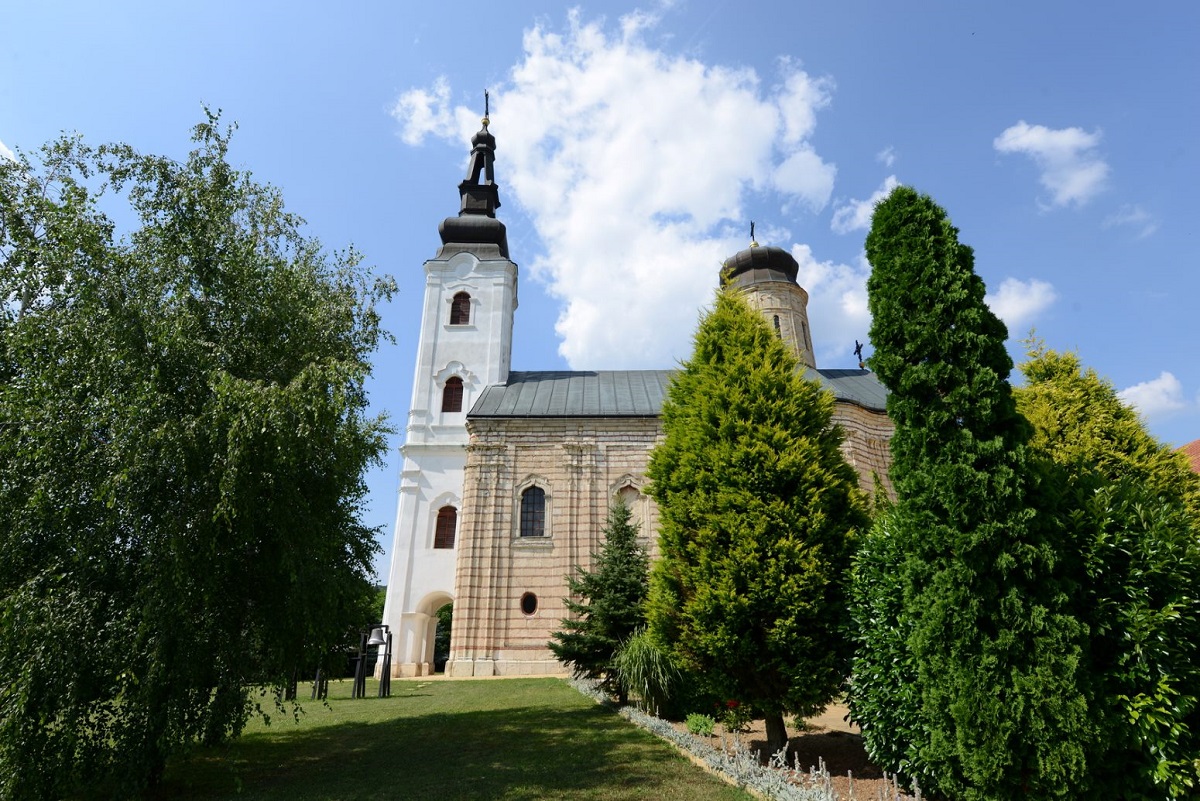
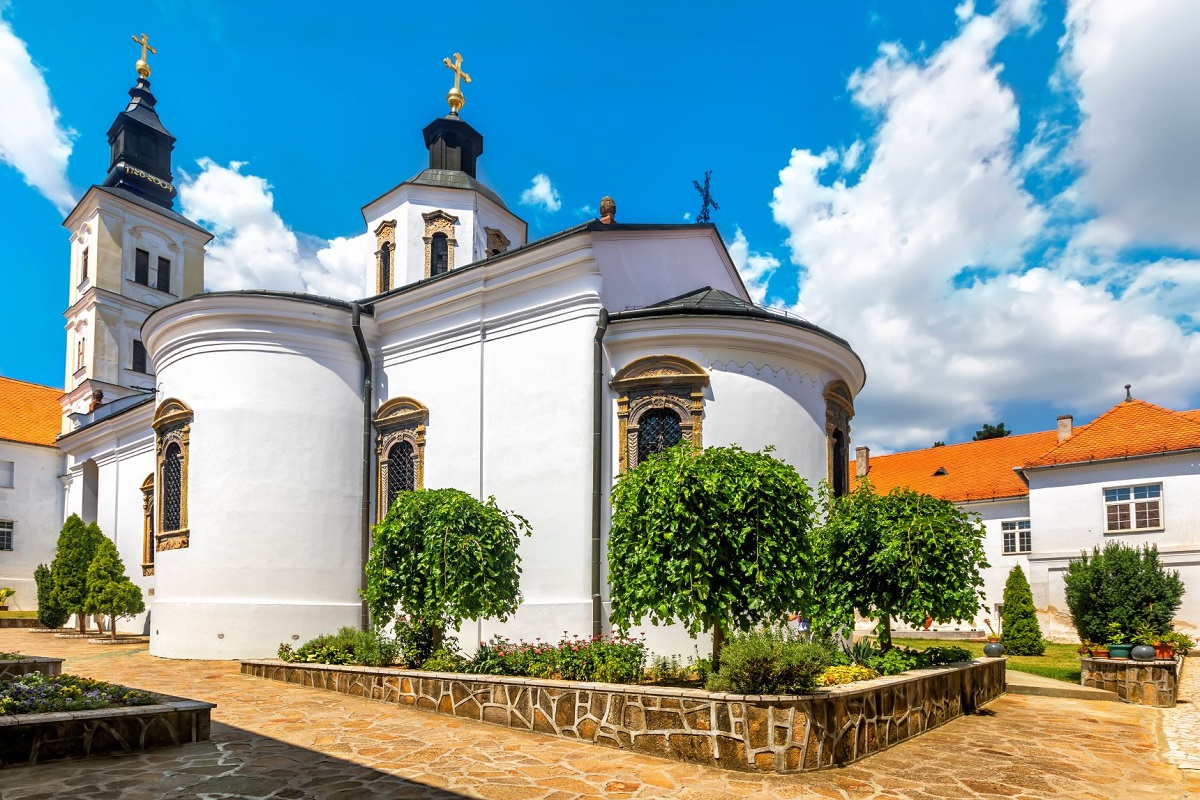
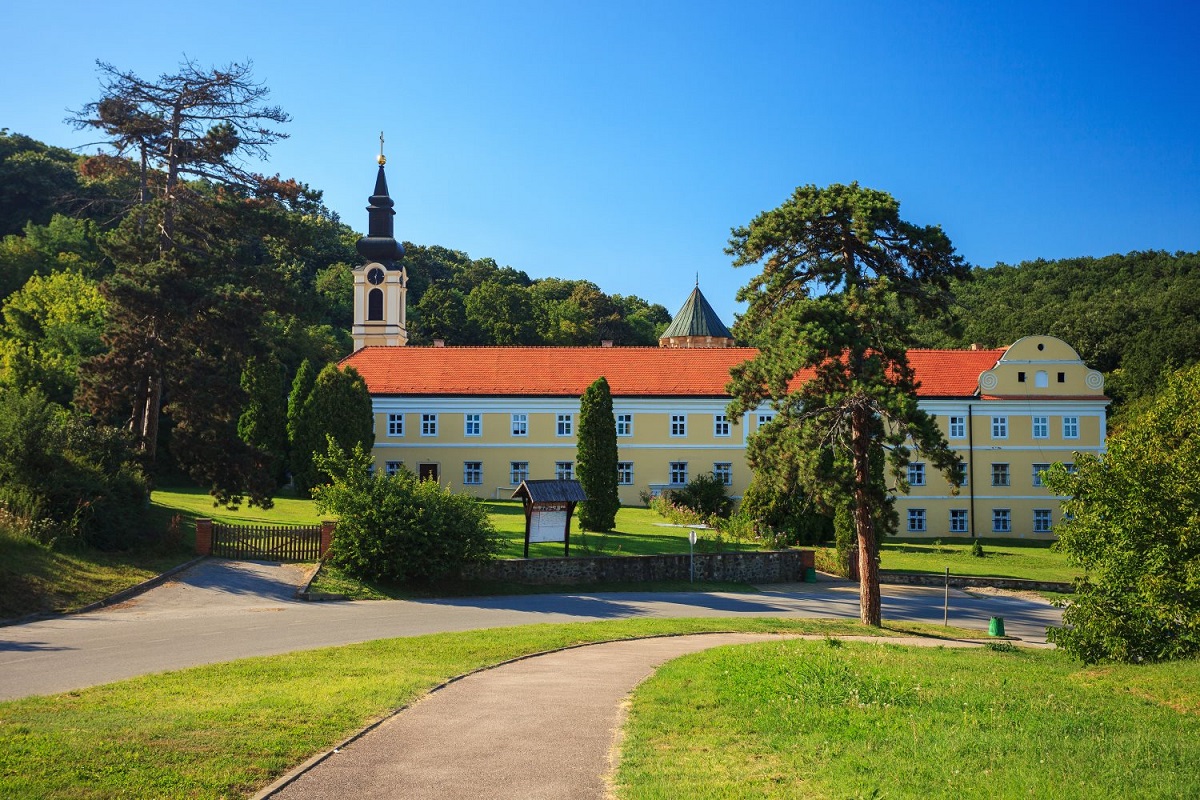
In northern Serbia, on the fertile slopes of Fruška Gora Mountain, lies a sacred treasure known as the “Serbian Holy Mountain.” This picturesque region is home to 17 monasteries built mainly during the 15th and 16th centuries, at a time when the Serbian royal court found refuge in the Hungarian territories after the Ottoman conquest.
Originally constructed in the Morava-Raška style, many of these monasteries were later destroyed and rebuilt, gaining a rich baroque appearance that makes them unique among Serbian monastic heritage. Today, Fruška Gora offers travelers a rare combination of natural beauty, spiritual serenity, and cultural history, making it one of the most remarkable pilgrimage and cultural routes in the Balkans.


Gems of Medieval Serbian Art
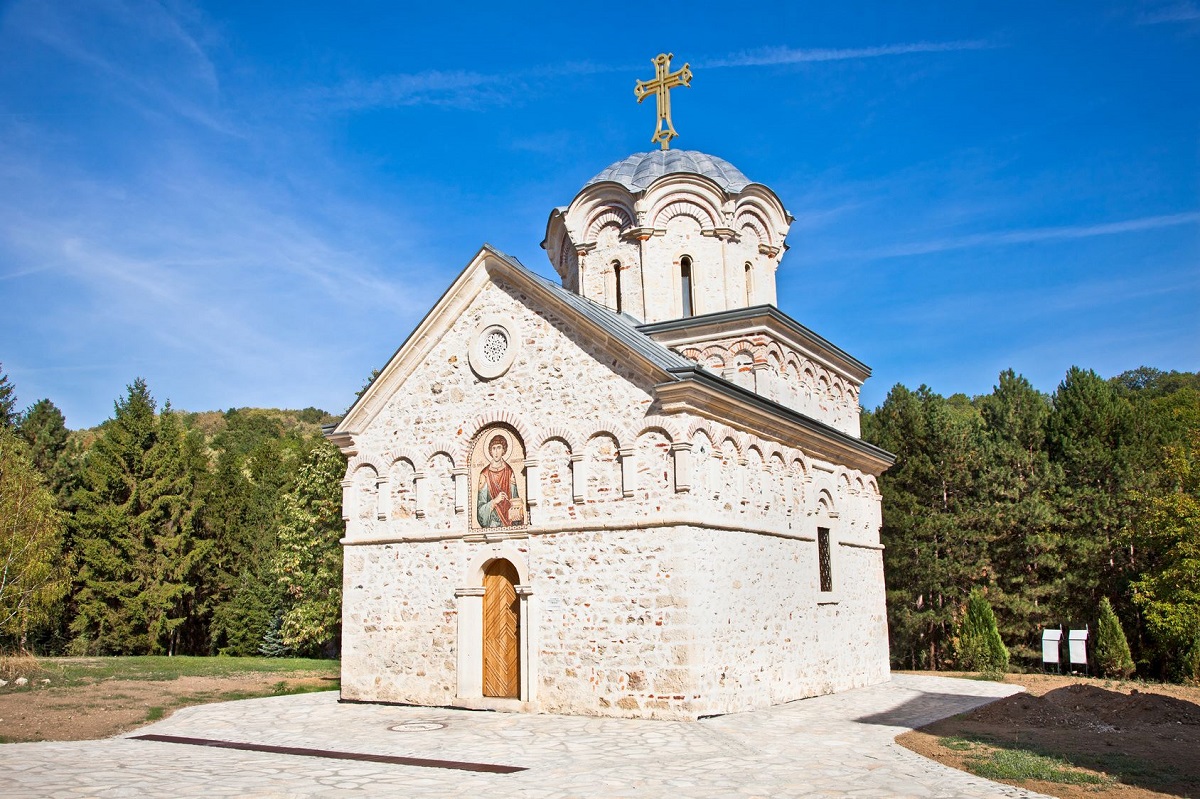
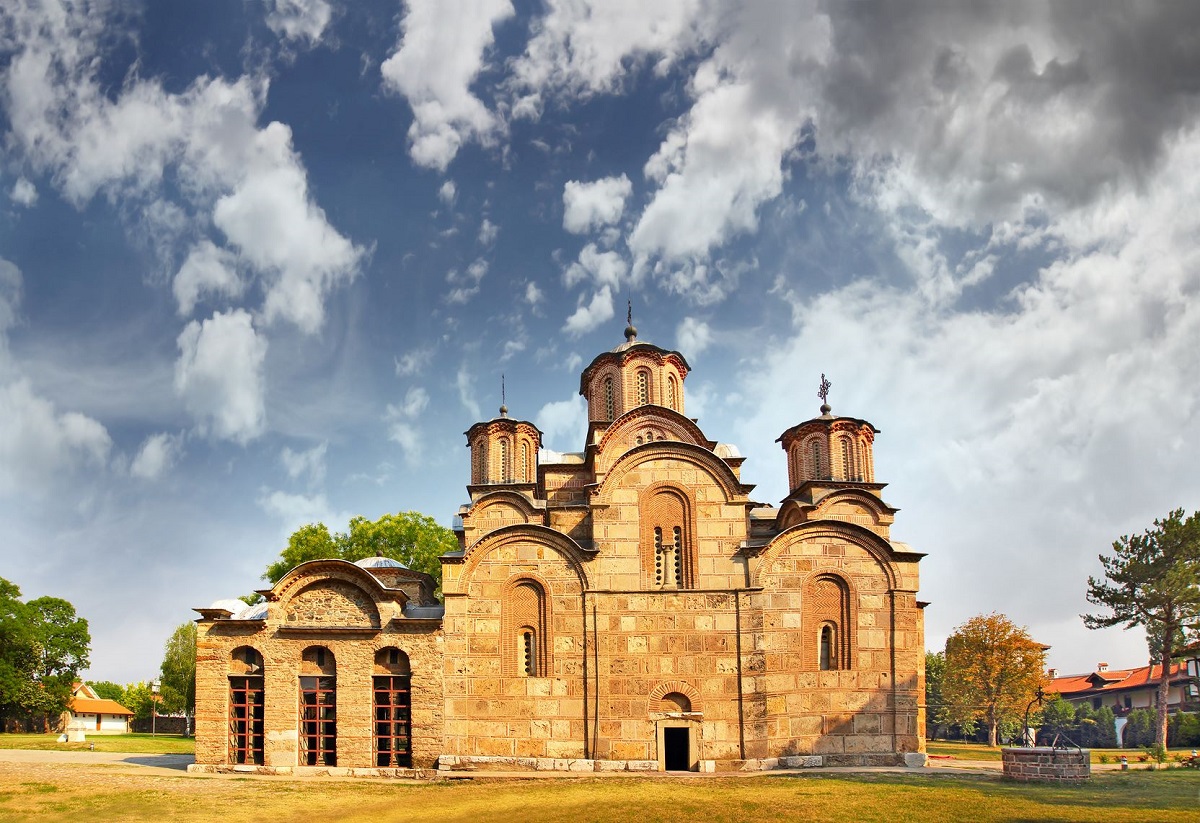
In the far south of Serbia, the province of Kosovo and Metohija holds some of the most precious jewels of Serbian medieval heritage. During the 13th and 14th centuries, when the medieval Serbian state reached its greatest power, monasteries such as Visoki Dečani, Gračanica, and the Patriarchy of Peć were built, showcasing the genius of Serbian medieval art.
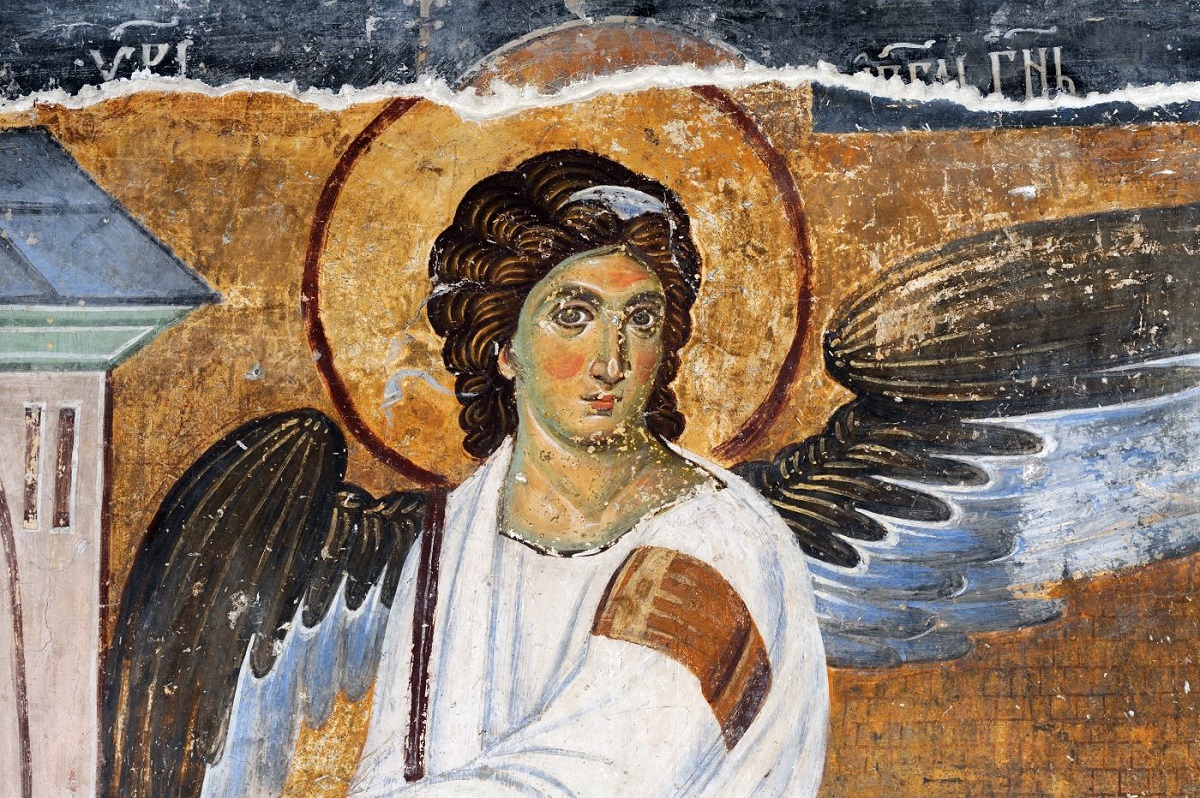
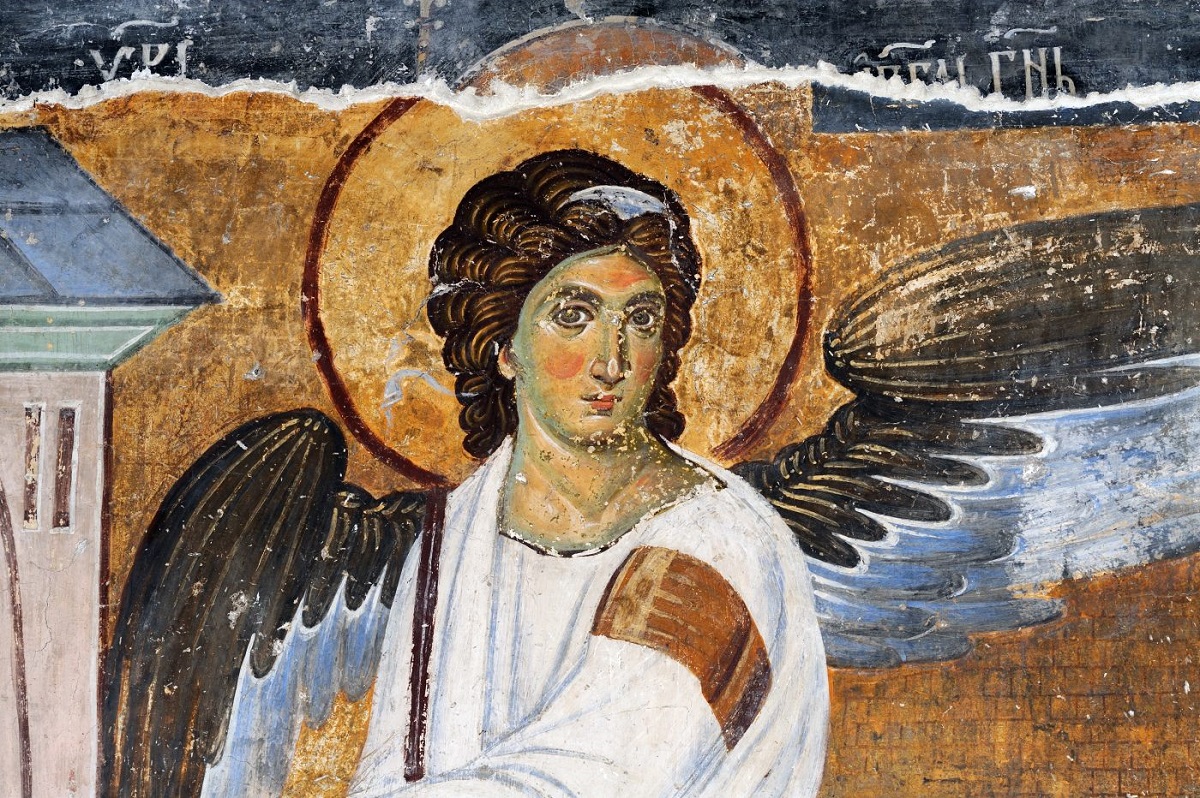
These monasteries are adorned with priceless frescoes, created under strong Byzantine influence and preserved to this day as masterpieces of sacred art. A visit to the Kosovo monasteries is more than a cultural experience – it is an encounter with the essence of Serbia’s spiritual and artistic golden age, where faith, history, and beauty merge into an unforgettable journey.